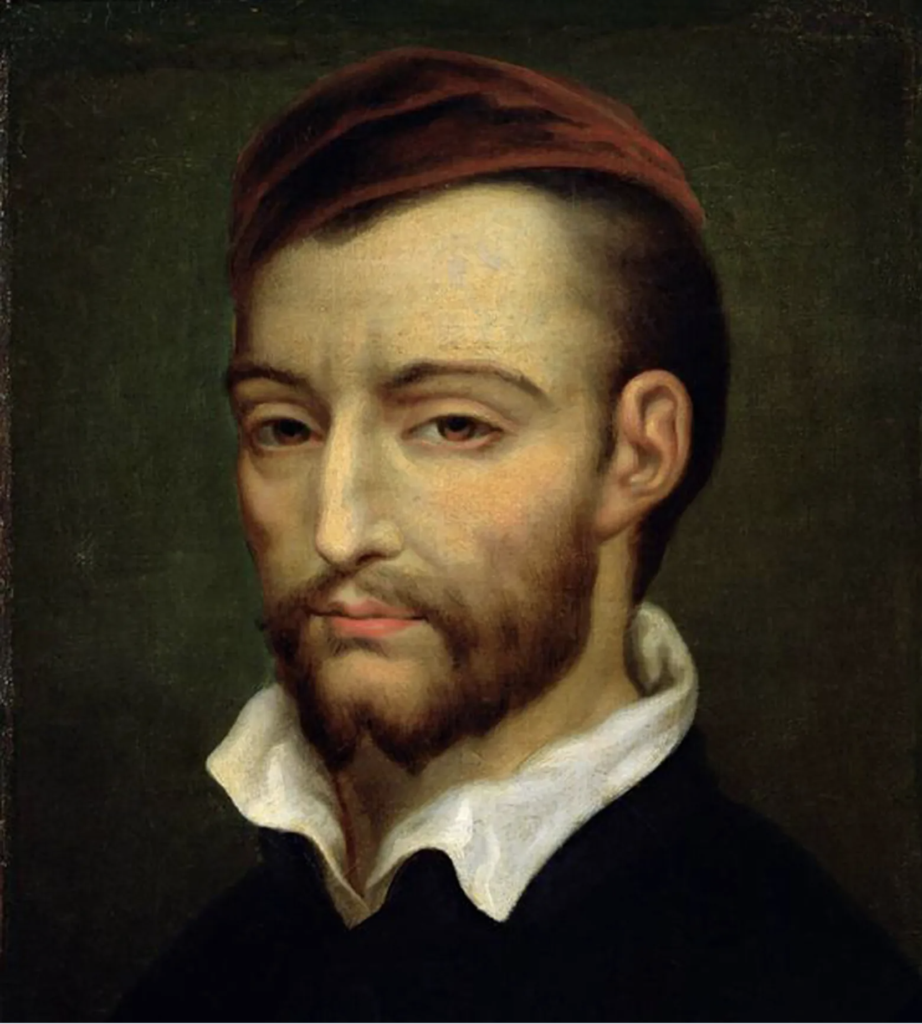
Théodore Géricault was a French Romantic artist born in Rouen, France, in 1791. His family moved to Paris when he was five years old. Although he showed artistic talent from an early age, his father did not support an artistic career. After the death of his mother in 1808, Géricault gained a degree of financial independence and secretly began studying art under Carle Vernet, known for military and equestrian painting.
In 1810, he pursued formal artistic training with Pierre-Narcisse Guérin, but after less than a year he preferred studying the great masters directly at the Louvre, where he copied works by Rembrandt, Velázquez, and Titian.
Géricault first exhibited at the Paris Salon in 1812. Although his work received positive reviews, it did not sell. After another unsuccessful Salon exhibition in 1814, he temporarily left art and joined the Gray Musketeers, a mounted cavalry guard connected to King Louis XVIII. During this period, he developed a deep fascination with horses, which became a central subject in many of his paintings.
In 1818, he had a son, Georges-Hippolyte, through a secret relationship with his maternal aunt, a scandal that deeply affected his personal life and artistic focus.
His masterpiece, The Raft of the Medusa, completed in 1819, depicted the tragic aftermath of a famous French shipwreck. The painting caused controversy because of its political implications, but it later became one of the most celebrated works of French Romanticism. The work was highly successful during its exhibition tour in England.
After returning to France in 1821, Géricault painted a remarkable series of portraits of psychiatric patients. Despite declining health caused by riding accidents, chronic illness, and tuberculosis, he continued working intensely until becoming bedridden in 1823.
Géricault died in Paris in 1824 at the age of only 32.